Barn Painting
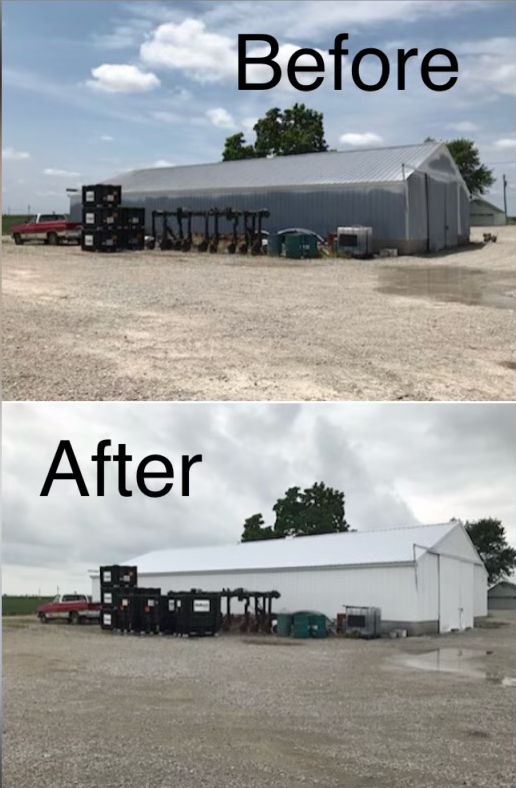
Barn Painting in Effingham, IL
Barn painting in Effingham, IL requires a structured approach that considers both the agricultural function of the structure and the environmental conditions common in central Illinois. At Jim Nelson Painting, barn painting services are focused on protecting wood, metal, and composite barn surfaces from long-term exposure to moisture, sun, wind, and seasonal temperature changes. Every barn presents different structural conditions, which means preparation, coating selection, and application methods must be adapted to the building itself rather than treated as a standard residential painting project.
Barns are often exposed to harsher wear than typical buildings due to their continuous outdoor exposure and frequent use. This makes surface preparation and coating integrity essential parts of the process. The work involved in barn painting extends beyond color application and includes restoration of worn surfaces, reinforcement of protective barriers, and careful attention to structural elements that influence paint adhesion.
Surface Evaluation and Structural Condition Review
Before any barn painting begins, the structure must be evaluated to determine its current condition. This stage focuses on identifying material type, existing coatings, and areas that show deterioration.
- Surface Material Identification: Barns in the Effingham area may be constructed from rough-cut wood, treated lumber, metal siding, or a combination of materials. Each surface responds differently to paint adhesion, which determines the type of primer and coating system used.
- Existing Paint and Coating Breakdown: Many barns have older layers of paint that may be peeling, chalking, or fading due to sun exposure. These conditions must be assessed carefully because failing coatings can prevent new paint from bonding properly if not addressed.
- Moisture and Weather Exposure Check:
Moisture intrusion is a common issue in agricultural structures. Areas affected by water damage, mold growth, or wood softening are identified early so they can be treated before painting begins.
Surface Preparation for Barn Painting
Proper preparation is essential for barn painting in Effingham, IL due to the region’s seasonal weather shifts and humidity levels. The preparation phase is designed to create a stable surface that allows coatings to adhere correctly and last longer under environmental stress.
- Cleaning and Debris Removal: Barn surfaces often accumulate dirt, dust, hay residue, and biological growth. These materials must be removed to ensure paint does not bond to unstable layers.
- Scraping and Loose Material Removal: Flaking paint and weakened surface layers are removed from wood or metal siding. This step prevents premature failure of the new coating system.
- Repair of Surface Imperfections: Cracks, holes, and damaged wood sections are addressed before priming. Structural repair is important because paint alone cannot correct underlying damage.
- Priming of Exposed Materials: Once surfaces are cleaned and repaired, primer is applied to ensure uniform absorption and improved adhesion of the final coating layers.
Exterior Barn Painting Application Process
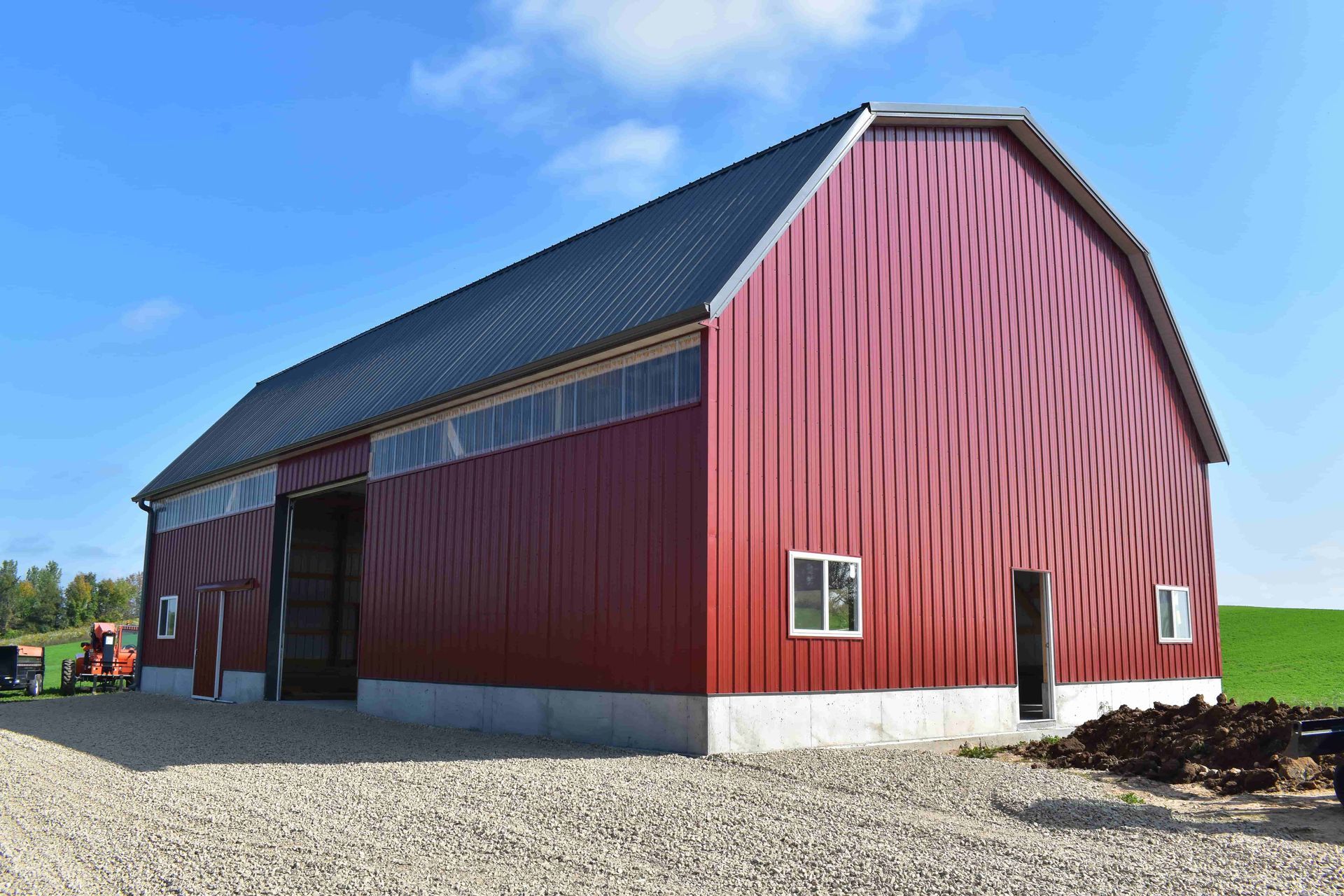
Exterior barn painting is one of the most critical parts of maintaining agricultural buildings in Effingham, IL. The exterior surface is exposed directly to sunlight, precipitation, and wind-driven debris, making durable coating application essential.
- Wood Siding Coating Application: Wood barn exteriors require coatings that penetrate the surface and create a protective seal. Application is performed evenly across planks, seams, and structural joints to prevent moisture infiltration.
- Metal Barn Surface Painting: Metal siding requires coatings designed to resist rust and corrosion. Special attention is given to fasteners, edges, and panel overlaps where oxidation often begins.
- Trim, Doors, and Structural Edges: Barn doors, window frames, and trim areas are painted separately to ensure complete coverage. These areas often experience higher wear due to movement and frequent handling.
- Color Application and Surface Uniformity:
Paint is applied in controlled sections to maintain consistency across large barn surfaces. Even distribution is important for both appearance and long-term surface protection.
Interior Barn Painting and Functional Areas
While exterior barn painting receives the most exposure-related attention, interior barn painting is also an important part of maintaining usable agricultural space. Interior surfaces are often affected by livestock activity, feed storage, and equipment movement.
- Interior Wall Surface Coating: Interior barn walls are coated with materials designed to resist staining and abrasion. These coatings help maintain cleanliness in animal housing and storage areas.
- Ceiling and Structural Beam Painting: Ceiling structures and support beams are painted to protect wood or metal from moisture accumulation and dust buildup. This also helps preserve structural visibility for maintenance inspections.
- Storage and Work Area Coatings: Barn areas used for equipment storage or feed handling require durable finishes that can withstand frequent contact and cleaning.
Weather Protection and Agricultural Exposure Considerations
Barn painting in Effingham, IL must account for regional weather patterns, including hot summers, cold winters, and seasonal precipitation. These environmental factors influence coating durability and maintenance schedules.
- Temperature Variation Resistance: Paint systems must be able to expand and contract with temperature changes without cracking or peeling. This is particularly important for large barn surfaces exposed to full sunlight.
- Moisture and Humidity Resistance: High humidity levels and rainfall can accelerate surface deterioration. Proper sealing helps reduce moisture absorption in wood structures and prevents corrosion in metal barns.
- UV Exposure Protection:
Sunlight exposure can fade paint and weaken surface coatings over time. Barn painting systems are selected to maintain stability under prolonged UV exposure.
Scheduling, Maintenance, and Service Coverage in Effingham, IL
Barn painting projects require careful scheduling due to weather dependency and the size of agricultural structures. In Effingham, IL, seasonal conditions influence when exterior painting can be completed effectively.
- Seasonal Timing for Painting Work: Painting is typically planned during stable weather periods to ensure proper drying and curing. Temperature and humidity levels are monitored to support coating performance.
- Maintenance and Recoating Cycles: Barn surfaces gradually wear over time due to environmental exposure. Regular inspection helps determine when recoating is necessary to maintain structural protection.
- Service Coverage for Agricultural Properties: Jim Nelson Painting provides barn painting services for farms, rural properties, and agricultural facilities throughout the Effingham area. Each project is approached based on the specific size and condition of the structure rather than a standardized application method.
Barn painting in Effingham, IL requires attention to structural condition, surface preparation, and environmental exposure. Each stage of the process contributes to the long-term preservation of agricultural buildings and helps maintain their functionality in demanding rural conditions.